Bhubaneswar: Vedanta Aluminium’s Project Aarogya, which operates anchoring healthcare delivery in the lived realities of Rayagada and Kalahandi, has, in FY26 alone, benefited nearly 1.26 lakh people across the two districts by taking essential healthcare services to people, building preventive awareness, and strengthening emergency and referral support.
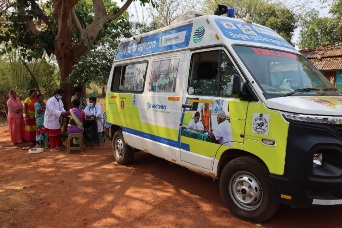
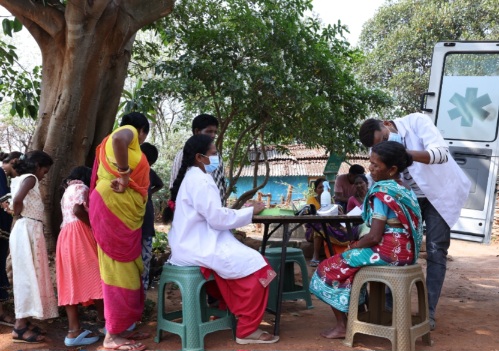
Taking Healthcare Beyond Fixed FacilitiesOne of the most visible interventions under the project has been the deployment of well-equipped Mobile Health Units, which now regularly cover over 100+ villages in the farthest reaches of Rayagada and Kalahandi. Functioning as portable primary care centres, these units offering consultations, diagnostics and medicines, especially crucial in locations where the nearest health facility may be several kilometres away. For many residents, this has been their first consistent point of contact with trained medical professionals.
“Earlier we ignored small symptoms because visiting a hospital meant losing a workday. Now check-ups happen in the village itself. This project has been a true boon for our communities.” said Bhumita Majhi, a resident of Rayagada.
In addition to regular outreach, 12 mega health camps were organised in FY26 across Kalahandi, benefitting over 5,000 patients by bringing multi-specialty services to numerous underserved regions. These camps addressed concerns ranging from general ailments to more complex issues such as orthopaedic issues and eye care, conditions that often go untreated in the absence of specialist access. Early Detection in High-Burden CommunitiesHealth challenges in Rayagada and Kalahandi are often compounded by late diagnosis. Recognising this, Project Aarogya has prioritised preventive screening and early detection, particularly for conditions prevalent in tribal belt districts.In Rayagada, early screening programmes for sickle cell disease and thalassemia has been undertaken in partnership with district health authorities. These initiatives enable timely counselling, referral and long-term disease management, helping families understand conditions that otherwise remain undetected for years.Seasonal illnesses continue to pose a recurring health risk.
Regular malaria awareness drives and seasonal health campaigns focus on prevention, symptoms and timely treatment, helping communities respond before complications arise.Focus on Women, Mothers and ChildrenHealthcare outcomes are closely linked to awareness at the household level, particularly among women and caregivers. Through programmes such as Swasth Nari Sashakt Parivar Abhiyaan and Sishu Sanjeevani, community knowledge around nutrition, reproductive care and preventive practices are being strengthened, while simultaneously addressing maternal and child health needs.
Kaberi Naik, a beneficiary from Lanjigarh, Kalahandi, highlighting the role of awareness in improving outcomes, said, “We now know why regular check-ups during pregnancy matter. Earlier, many things were left to chance. The awareness campaigns by Vedanta have now encouraged me to take more charge of my health.”From Outreach to Institutional CareWhile mobile health units, camps and screenings form the backbone of preventive outreach, access to reliable institutional care remains equally critical, particularly in emergencies and serious illness.
To address this gap, Vedanta Aluminium has strengthened hospital-based healthcare access in Kalahandi through the MSJK Hospital, ensuring that communities have a dependable referral and treatment centre within reach.The hospital plays a crucial role in cases where immediate medical attention is required and travel to distant urban centres is neither feasible nor safe. For families in surrounding villages, it bridges the transition from outreach-based care to advanced medical intervention.
Speaking about her family’s experience, Ranu Majhi, a resident of Bengaon GP, shared, “When my mother fell seriously ill, reaching a hospital in a town was simply not possible for us that day. MSJK Hospital became our lifeline. The doctors attended to her immediately, and the treatment she received here saved us from making a long, difficult journey.”
Together with emergency support services, which assisted over 1,500 patients in FY26, the hospital ensures continuity of care beyond diagnosis, completing the healthcare pathway from village-level outreach to critical treatment.A Model Grounded in Local RealitiesProject Aarogya brings together access, prevention, emergency care and continuity in a sustained manner. By embedding healthcare services within villages, strengthening preventive awareness and ensuring timely critical care, Vedanta Aluminium continues to respond to the everyday health realities of these districts, supporting healthier, more resilient communities over time.